Lịch Thi Đấu – How to Read and Organize an Online Football Calendar
Following football becomes more challenging when several leagues and tournaments are running simultaneously. A structured fixture calendar can reduce that complexity by showing upcoming matches in a consistent format. For fans, journalists and general readers, knowing how to interpret that information can make matchday planning considerably easier.
Starting With 7m Football Information
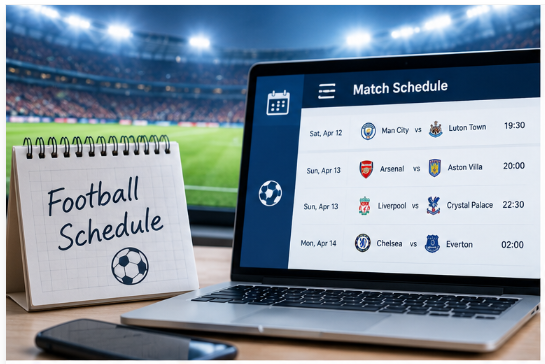
Visitors using 7m can begin by selecting the date or competition relevant to them. Instead of searching separately for every team, a central schedule can provide a broader picture of the day’s football.
Competition names are important because clubs may participate in domestic leagues, domestic cups and continental tournaments during the same period.
Kickoff time should also be checked carefully. International services may display times differently depending on website settings or the reader’s location.
Reading the Lịch thi đấu Section
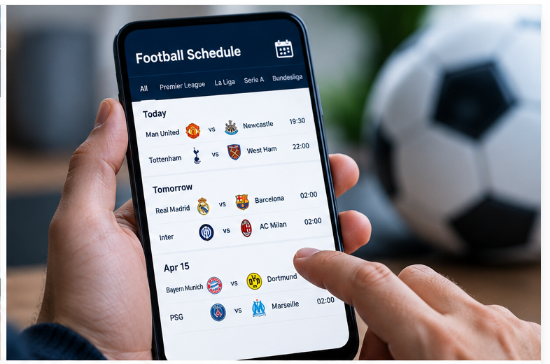
A Lịch thi đấu page can help readers see how matches are distributed throughout the week. This is particularly useful when competitions schedule games outside their traditional weekend slots.
The calendar can also reveal periods of fixture congestion.
However, football schedules are not always permanent. Matches may move because of broadcasting decisions, weather, security considerations or clashes with other competitions.
For that reason, users making plans around a specific match should confirm current information close to the scheduled date.
Understanding Competition Context
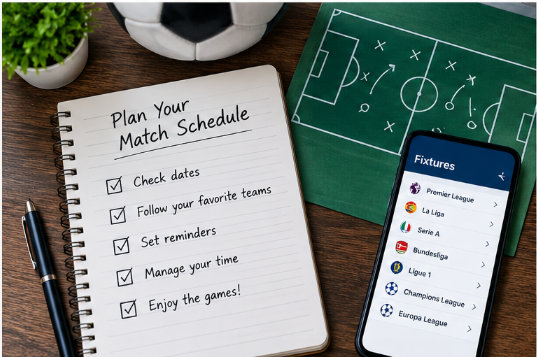
Knowing the competition can change how a fixture is interpreted. A league match contributes to a season-long table, while a knockout cup match may have different rules and strategic considerations.
Some tournaments use two-legged ties, meaning the context of the first match influences the second. Others proceed directly to extra time or penalties when required.
Understanding these formats helps readers interpret why teams may approach different fixtures in different ways.
Using Standings Alongside Fixtures

League standings are a useful companion to the calendar. They show points, matches played and relative positions at a particular moment.
A fixture between teams close together in the table may attract attention because the result can change their positions. Matches near the end of a season may also carry implications for titles, qualification or relegation.
Nevertheless, the table remains descriptive. It does not guarantee how the next game will finish.
Football results can be affected by many factors, including player availability, tactical decisions and events occurring during the match itself.
Team News and Squad Rotation
A busy calendar can influence squad selection. Managers sometimes rotate players when matches occur within a few days of each other.
Injuries and suspensions can further affect availability.
Readers interested in deeper match context can therefore combine fixture information with official squad announcements and reliable team news.
Rumours on social media should be treated cautiously, especially before lineups are officially announced.
Building a Personal Football Calendar
Supporters who follow only one or two teams may find it useful to add key fixtures to a personal calendar.
Those following many competitions can instead organize matches by date and prioritize the games they consider most relevant.
Time-zone settings should be verified before creating reminders. This is especially important for international tournaments.
If a fixture is rescheduled after being added to a personal calendar, the saved event may not always update automatically unless it comes from a synchronized official feed.
Conclusion
Online football calendars make it easier to navigate a sport with an increasingly busy schedule. They allow readers to compare matches, identify competition context and understand periods when teams face demanding workloads.
For the best experience, supporters can combine fixture information with standings, official team news and competition rules. Because schedules sometimes change, checking updated information remains essential. Used in this way, a fixture page becomes more than a list of dates—it becomes a practical framework for following an entire football season.