Depositing money into an online account can often be completed within minutes, but the simplicity of the process should not encourage users to skip important checks. Payment methods, account verification, transaction limits, and withdrawal rules can vary considerably between platforms.
Before transferring funds, users should understand where the money is being sent, what records will be available, and what conditions may apply later. Financial transactions deserve more attention than ordinary website navigation.
Research nhacaiuytin Before Making a Payment
When examining nhacaiuytin, users should first verify the domain and review the published financial policies.
Payment instructions should be accessed through an authenticated and verified platform rather than copied from unknown social media accounts.
Users should also locate information about deposits, withdrawals, verification, and customer support before sending money.
If important financial conditions are difficult to find or understand, additional caution is appropriate.
Check Supported Payment Methods
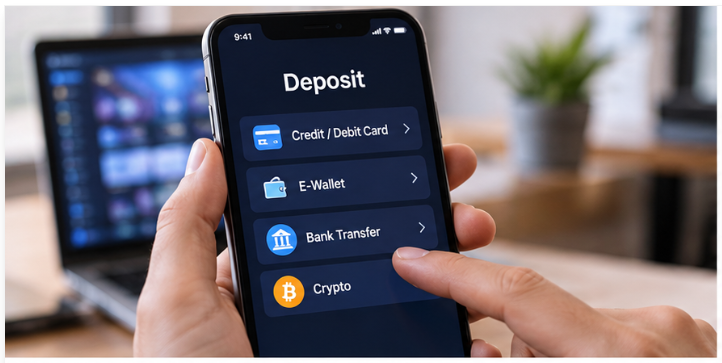
Platforms may support bank transfers, electronic payment services, cards, or other methods depending on location.
Users should understand which options are officially supported and whether additional charges or processing periods apply.
Payment information should not be sent to a private contact merely because that person claims to represent the platform.
If instructions unexpectedly change, users should verify them through an official support channel.
Review Nạp tiền nhà cái uy tín Conditions
Information about Nạp tiền nhà cái uy tín should be reviewed before initiating a deposit.
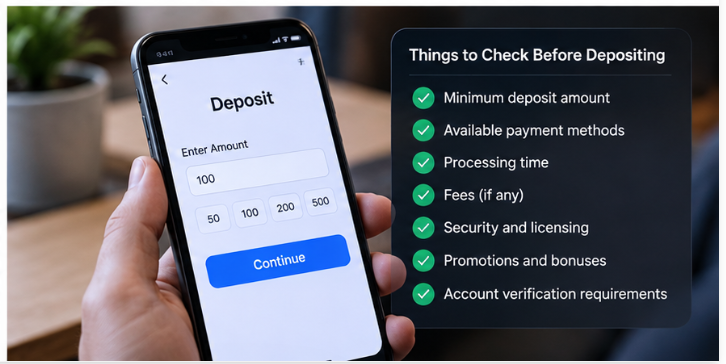
Users should check minimum and maximum amounts, processing times, account-name requirements, and whether specific transaction references must be included.
Following the published procedure can reduce avoidable processing problems.
It is also useful to know what steps are recommended if a deposit does not appear in the account within the stated period.
Understand Identity Requirements
Some financial transactions may require identity verification.
Users should know whether verification is required immediately or at a later stage, such as before a withdrawal.
If documents are requested, they should be submitted only through a verified process.
Sending identification to unknown accounts through messaging applications creates unnecessary privacy and identity risks.
Keep Transaction Records
Receipts, reference numbers, dates, and amounts can be useful if a payment needs to be traced.
Users should avoid deleting transaction evidence immediately after the balance appears.
If an error occurs, accurate records make it easier to explain the issue to both the platform and payment provider.
Account transaction history should also be reviewed periodically.
Understand Deposit and Withdrawal Differences
A successful deposit does not necessarily mean a withdrawal will use the same process.
Withdrawal rules may include additional verification, processing times, or payment-method restrictions.
Users should therefore read both policies before transferring funds.
Waiting until after a deposit to examine withdrawal conditions can lead to unexpected complications.
Read Promotion Terms First
Some deposits may qualify for bonuses or promotional offers.
Before accepting one, users should check eligibility requirements, expiration periods, usage conditions, and withdrawal restrictions.
The headline bonus value does not provide enough information by itself.
Users should decide whether the conditions fit their intended activity instead of depositing more simply to reach a promotional threshold.
Protect Payment Information
Passwords, authentication codes, card details, and other sensitive information should be handled carefully.
Users should avoid entering payment information after following a suspicious link.
A unique account password and additional authentication, where available, can help protect access.
One-time verification codes should never be provided to another person.
Avoid Emotional Depositing
Financial decisions can become less controlled after a loss.
Users may feel pressure to deposit again immediately in an attempt to recover money. This behavior can cause spending to exceed the original budget.
A better approach is to establish a maximum entertainment amount before beginning and stop when that limit is reached.
Losses should not be treated as amounts that must be recovered.
Separate Entertainment Money from Essentials
Money used for real-money gaming should never be required for rent, food, education, medical costs, debt payments, or other essential obligations.
Users should assume that any amount used could be lost.
This perspective helps prevent gaming funds from being confused with savings or investment capital.
Games involving chance cannot provide guaranteed returns.
Watch for Payment Scams
Unexpected payment requests deserve careful scrutiny.
Users should be suspicious of messages promising special treatment in exchange for transfers to an unofficial account.
They should also avoid paying anyone who claims they can guarantee winnings or manipulate game outcomes.
Financial transactions should follow published platform procedures rather than private arrangements.
Check Local Rules
Real-money gaming regulations vary across jurisdictions.
A payment method being technically available does not automatically mean the underlying activity is legally permitted.
Users should confirm applicable local requirements and minimum-age rules before participating.
Conclusion
Depositing money into an online gaming account should be treated as a financial transaction that requires verification and record keeping. Users should check the domain, supported payment methods, transaction limits, and withdrawal conditions before transferring funds.
Clear budgeting is equally important. Real-money gaming carries a possibility of loss, so users should keep essential funds separate, avoid chasing losses, and participate only within limits they can afford.