Football tournaments at the youth level play a crucial role in shaping the future of the sport. Among regional competitions in Southeast Asia, the AFF U23 Championship stands out as a platform where emerging talents compete while representing their national pride. Fans across the region closely follow the AFF U23 Football League Standings Championship to understand how teams progress during the tournament and which squads demonstrate the strongest potential nowgoal .
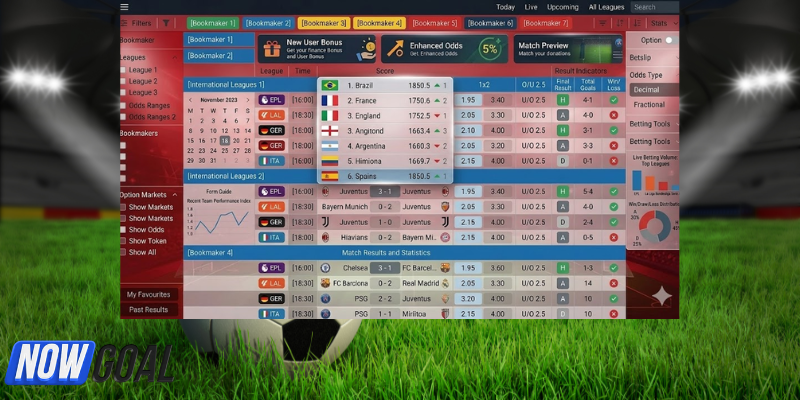
The standings in any football competition provide more than simple numbers. They reflect tactical discipline, match results, scoring efficiency, and defensive strength accumulated across multiple games. For supporters, analysts, and football enthusiasts, tracking the ranking table is an essential way to follow the evolution of a tournament.
This article explores the structure of the AFF U23 Championship standings, explains how ranking systems operate, and highlights the importance of accurate data updates that allow fans to monitor team performance effectively.
The Role of the Standings in the AFF U23 Championship
Every football tournament relies on a structured ranking system that determines how teams advance to later stages. In the AFF U23 Championship, the standings summarize the performance of each national team after every match.
The table typically displays key metrics such as matches played, wins, draws, losses, goals scored, goals conceded, goal difference, and total points. These figures provide a clear overview of which teams are dominating their group and which teams are struggling to maintain consistent results.
For fans who follow youth football in Southeast Asia, reviewing the standings helps them understand the competitive landscape of the tournament. It also highlights how different teams adapt their strategies when facing opponents with diverse playing styles.
In many discussions about football statistics and rankings, the abbreviation bxh is widely used to refer to ranking tables. This shorthand has become familiar to supporters who regularly analyze standings and team performance.
Real-Time Data Updates and the Importance of Accuracy
Instant Standings Updates After Matches
One of the most important aspects of modern football coverage is real-time data accuracy. As soon as a match concludes, the tournament standings must reflect the new result. The updated ranking instantly shows how points and goal differences influence each team’s position.
Real-time updates allow supporters to track changes in the competition without delay. Even a single goal scored during the final minutes of a match can alter the standings and shift the tournament dynamics.
Data Synchronization Across Matches
Modern football platforms rely on automated systems that collect and process match data. Scores, statistics, and disciplinary records are integrated into the standings almost immediately after the referee’s final whistle.
These systems ensure that every statistic, from total points to goal difference, is displayed correctly and consistently. As a result, fans can follow the tournament progression without needing to search for information from multiple sources.
Many supporters who regularly monitor international competitions also recognize platforms such as nowgoal as reference points when reviewing match results and ranking tables across different tournaments.
Understanding Each Column in the Tournament Standings
To interpret the AFF U23 Championship standings effectively, it is essential to understand what each column represents. Each metric contributes to a broader understanding of team performance.
Current Ranking Position
The ranking position shows where a team stands compared to its competitors. Teams with the highest points appear at the top of the table, while those with fewer points occupy lower positions.
Team Name and Identification
Each row of the standings includes the national team name, often accompanied by its official symbol or abbreviation. This allows fans to quickly identify teams participating in the tournament.
Wins, Draws, and Losses
The record of wins, draws, and losses summarizes the outcomes of matches played so far. A team with more victories generally accumulates points faster and climbs the standings.
Goals Scored
Goals scored indicate the attacking strength of a team. Teams with strong offensive tactics tend to produce higher goal totals, which can significantly influence their ranking.
Goals Conceded
This statistic reflects the defensive stability of a team. Fewer goals conceded typically suggest effective defensive organization and disciplined positioning.
Goal Difference
Goal difference is calculated by subtracting goals conceded from goals scored. This metric becomes especially important when two teams share the same number of points.
Total Points
Points represent the most decisive factor in determining rankings. Teams earn three points for a victory, one point for a draw, and zero points for a loss.
By reviewing these columns together, supporters can gain a comprehensive view of each team’s performance throughout the tournament.
How Standings Reveal Team Form and Competitive Trends
Football standings are valuable because they reveal patterns that may not be immediately visible in individual match results.
Identifying Strong Offensive Teams
Teams that consistently score goals often appear near the top of the standings. Their attacking strategies and quick transitions help them secure victories and maintain momentum.
Evaluating Defensive Stability
Defensive strength is equally important. Teams with low goals conceded often demonstrate organized defensive lines and effective communication among players bxh .

Monitoring Momentum and Consistency
Another important element visible in the standings is momentum. Teams that achieve consecutive victories tend to climb rapidly in the rankings, while inconsistent results may cause sudden drops.
These patterns help analysts predict how the remainder of the tournament may unfold.
The Value of Following the Standings Throughout the Tournament
Tracking the AFF U23 Championship standings regularly provides multiple benefits for football enthusiasts.
First, it allows fans to observe the race for qualification into knockout stages. Each match can significantly influence whether a team advances or faces elimination.
Second, the standings help supporters understand the tactical evolution of teams during the tournament. Coaches often adjust strategies depending on their position in the table and the importance of upcoming matches.
Finally, monitoring the standings provides a deeper appreciation of youth football development across Southeast Asia. The competition serves as an important stage where young players gain international experience.
Data Integration With Other Football Information
Modern football data systems often connect the standings with additional features that enhance the user experience.
For example, fans can typically access match schedules directly from the standings interface. By selecting a team’s name, they can view upcoming fixtures and understand how future matches may influence the rankings.
Many platforms also display recent match results alongside the standings. This integrated view helps supporters quickly understand why a team moved up or down in the table.
In addition, detailed team statistics may be available, including average goals scored per match, disciplinary records, and recent form trends. These statistics provide deeper insight into each team’s strengths and weaknesses.
The Importance of Youth Competitions in Regional Football
The AFF U23 Championship is not only about determining a champion. It also serves as a vital developmental stage for young footballers across Southeast Asia.
Players competing in this tournament gain valuable international experience that prepares them for senior national teams. Many well-known football professionals began their international careers in youth competitions similar to the AFF U23 Championship.
For this reason, the standings attract attention not only from fans but also from scouts, coaches, and analysts who monitor the emergence of promising talent.
Conclusion
The AFF U23 Football League Standings Championship provides a comprehensive overview of how teams perform throughout one of Southeast Asia’s most important youth football tournaments. By presenting statistics such as points, goal difference, and match outcomes, the standings reveal the true competitive landscape of the competition.
For supporters who wish to understand the progression of the tournament, regularly reviewing the ranking table offers valuable insight into team form, tactical development, and emerging football talent. Each update reflects the dynamic nature of football, where a single match can reshape the entire competition.
As the AFF U23 Championship continues to highlight the next generation of football stars, following the standings remains one of the most effective ways to stay connected with the tournament. Readers who appreciate accurate football information are encouraged to continue monitoring the latest rankings and match developments to fully experience the excitement of Southeast Asian football.